Quick Answer
Typical ROI for Water Bottling Plants in Kenya
MARKET TRENDS IN KENYA
Most Popular Bottled Water Sizes in Kenya
PRICE RANGE
Key Challenges of Starting a Water Bottling Business in Kenya
Frequently Asked Questions About Water Bottling Machine Price in Kenya
Why Investors Choose PESTOPACK
Conclusion
Quick Answer
The cost of a complete water bottling plant in Kenya typically ranges from USD 43,500 to USD 900,000+, depending on production capacity, automation level, and packaging requirements.
Production Capacity | Estimated Investment |
2,000 BPH | USD 50,000–90,000 |
6,000 BPH | USD 150,000–220,000 |
12,000 BPH | USD 300,000–450,000 |
24,000 BPH | USD 700,000–900,000+ |
Most investors in Kenya start with 2,000–6,000 BPH water bottling lines because they offer lower investment requirements, manageable operating costs, and faster returns.
Typical ROI for Water Bottling Plants in Kenya
For many investors, return on investment is just as important as equipment cost.
2,000 BPH Water Bottling Line
Estimated ROI: 18–36 months
6,000 BPH Water Bottling Line
Estimated ROI: 12–24 months
12,000 BPH Water Bottling Line
Estimated ROI: 12–18 months
Actual ROI depends on water source, distribution network, packaging costs, operational efficiency, and local market demand.
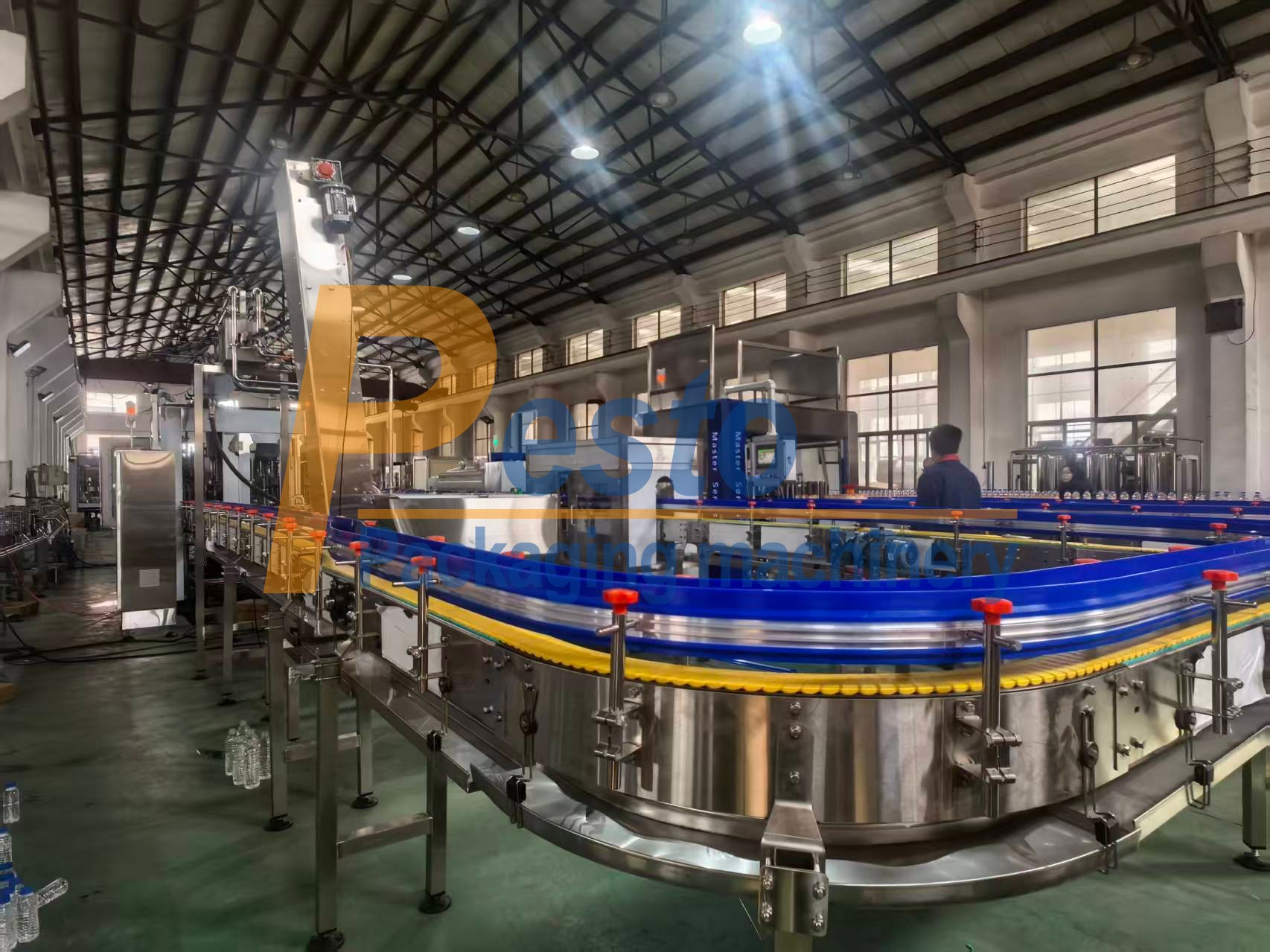
MARKET TRENDS IN KENYA
Kenya is one of East Africa’s fastest-growing bottled water markets. Rapid urbanization, increasing health awareness, and the expansion of supermarkets and convenience stores continue to drive demand for packaged drinking water.
Major cities such as Nairobi, Mombasa, Kisumu, and Nakuru have experienced significant growth in bottled water consumption over the past decade.
The tourism and hospitality sectors also contribute strongly to demand, as hotels, resorts, restaurants, and safari operators require reliable supplies of high-quality bottled water.
As consumer expectations continue to rise, many investors are upgrading from semi-automatic systems to fully automatic water bottling plants to improve efficiency, product consistency, and profitability.
Most Popular Bottled Water Sizes in Kenya
Understanding consumer preferences is important when selecting a water bottling machine.
500ml PET Bottles
The most popular size for retail shops, schools, transportation hubs, and convenience stores.
1L PET Bottles
Widely consumed by office workers, hotels, restaurants, and hospitality businesses.
1.5L PET Bottles
A preferred option for supermarkets, family consumption, and wholesale distribution.
Many investors choose water bottling machines capable of handling all three bottle sizes to maximize market coverage and sales opportunities.
PRICE RANGE
The investment required for a bottled water project in Kenya depends on whether you are purchasing a standalone water filling machine or a complete water bottling plant.
Project Type | Estimated Cost |
Semi-Automatic Water Bottling Line (2,000 BPH) | USD 50,000-90,000 |
Fully Automatic Water Bottling Line (6,000 BPH) | USD 150,000–220,000 |
Fully Automatic Water Bottling Plant (12,000 BPH) | USD 300,000–450,000 |
High-Speed Industrial Plant (24,000 BPH+) | USD 700,000–900,000+ |
The final project budget may also include factory construction, water treatment systems, shipping costs, import duties, installation, and local operating expenses. Price is only one part of the decision. Equipment quality, technical support, customization capabilities, spare parts availability, and installation service can have a much greater impact on long-term operating costs. Before requesting quotations, compare the leading water bottling machine manufacturers in Kenya to understand their production capabilities, equipment configurations, and after-sales support.
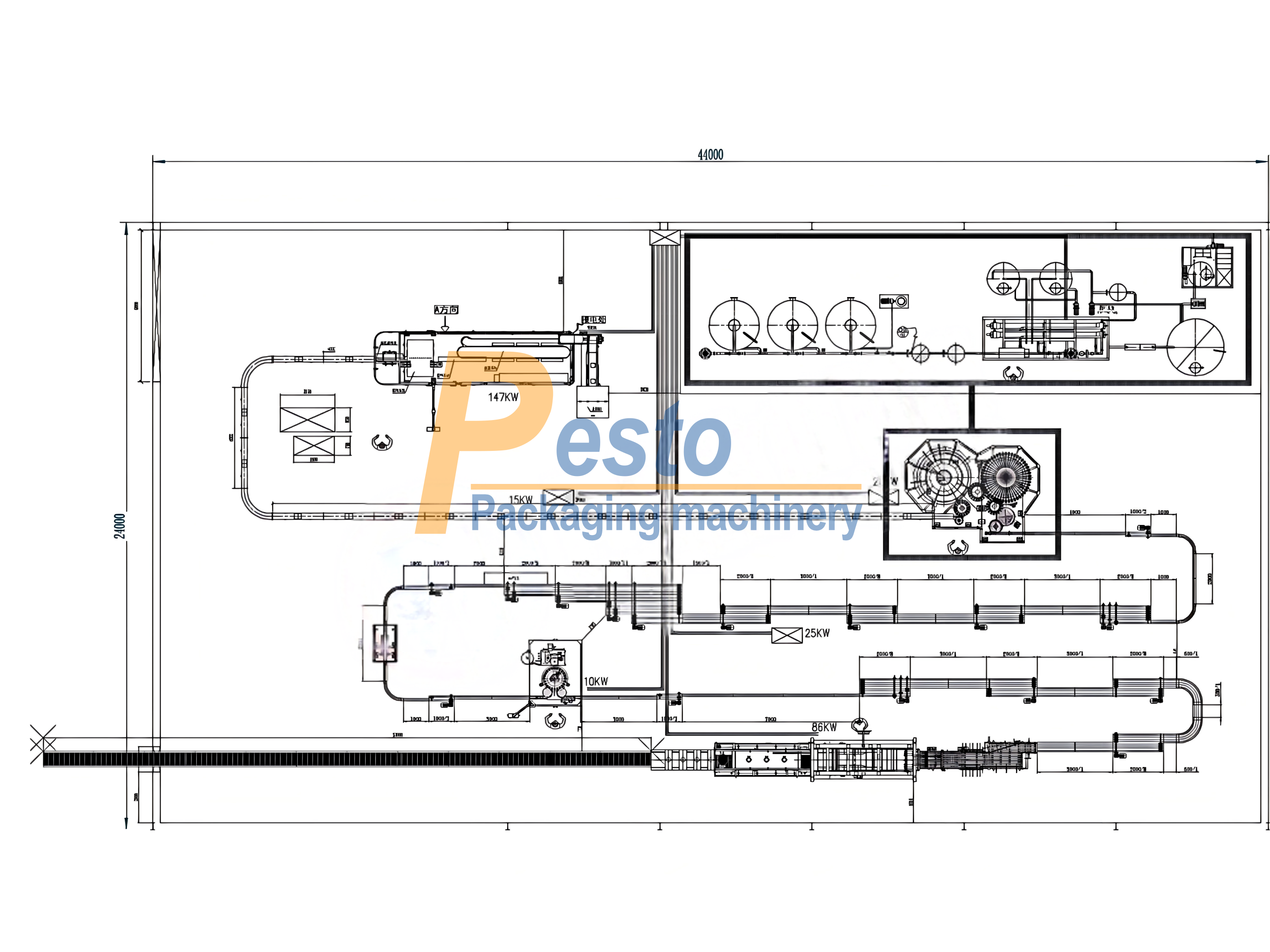
Key Challenges of Starting a Water Bottling Business in Kenya
KEBS Certification
All bottled water products sold in Kenya must comply with Kenya Bureau of Standards (KEBS) requirements.
Water Source Quality
Many factories use borehole water, which often requires reverse osmosis systems and ozone sterilization to meet drinking water standards.
Import and Logistics Costs
Most imported machinery enters Kenya through Mombasa Port, and investors should consider customs clearance, transportation, and import duties when planning their projects.
Electricity Stability
Backup generators and voltage protection systems are often recommended to ensure continuous production and protect sensitive electrical components.
Frequently Asked Questions About Water Bottling Machine Price in Kenya
How Much Does a Water Bottling Machine Cost in Kenya?
The price of a water bottling machine in Kenya depends on production capacity, automation level, bottle size, and overall line configuration. A small 2,000 BPH water bottling line may start from approximately USD 50,000, while a fully automatic water bottling plant designed for medium or large-scale production can range from USD 150,000 to USD 900,000 or more. Investors should evaluate the total project cost, including water treatment equipment, PET bottle blowing machines, labeling systems, packaging equipment, shipping, installation, and commissioning.
What Is the Cost of a Complete Water Bottling Plant in Kenya?
A complete water bottling plant costs significantly more than a standalone water filling machine because it includes every stage of production. A turnkey water bottling solution typically consists of a water treatment system, PET bottle blowing machine, rinsing-filling-capping machine, labeling machine, coding system, shrink wrapping machine, and conveyor network. The final investment depends on the desired production capacity, automation level, and factory requirements.
Which Water Bottling Capacity Is Best for New Investors in Kenya?
For first-time investors, a 2,000 BPH to 6,000 BPH water bottling line is often the most suitable choice. This capacity range offers a good balance between investment cost, operating expenses, and production output. It is ideal for supplying local distributors, supermarkets, restaurants, schools, hotels, and regional markets while allowing room for future expansion.
Can Borehole Water Be Used for Bottled Water Production in Kenya?
Yes. Borehole water is widely used by bottled water manufacturers in Kenya. However, the water must undergo proper treatment before being filled into bottles. Depending on the water quality, the treatment process may include sand filtration, activated carbon filtration, water softening, reverse osmosis, UV sterilization, and ozone disinfection. A professional water treatment system ensures that the final product meets drinking water quality standards.
Is KEBS Certification Required for Bottled Water in Kenya?
Yes. Bottled water products sold in Kenya must comply with the requirements established by the Kenya Bureau of Standards (KEBS). Certification helps ensure product quality, consumer safety, and legal market access. Using food-grade stainless steel water bottling equipment and maintaining hygienic production conditions can help manufacturers meet compliance requirements more efficiently.
What Equipment Is Included in a Turnkey Water Bottling Plant?
A turnkey water bottling plant includes all equipment necessary for continuous bottled water production. Standard configurations typically include a water treatment system, PET bottle blowing machine, air conveyor, automatic water filling machine, cap feeding system, labeling machine, date coding machine, shrink wrapping machine, and bottle conveyor system. Larger projects may also include carton packing machines, palletizers, and warehouse automation equipment.
How Much Factory Space Is Required for a Water Bottling Plant in Kenya?
The required factory size depends on production capacity and equipment layout. A small 2,000 BPH water bottling line may require approximately 300 square meters of workshop space. A 12,000 BPH or larger bottled water production facility may require more than 2,000 square meters, including areas for raw material storage, finished goods warehousing, utilities, and future expansion. Proper factory planning helps maximize production efficiency and reduce operating costs.
How Long Does It Take to Install a Water Bottling Production Line?
Installation time depends on project size, factory readiness, and equipment complexity. Most bottled water production lines can be installed and commissioned within 30 to 60 days after equipment arrival. Preparing electricity, water supply, compressed air, drainage systems, and workshop infrastructure in advance can significantly shorten the startup timeline.
Is the Bottled Water Business Profitable in Kenya?
The bottled water industry remains one of the most promising beverage sectors in Kenya. Growing urban populations, increased health awareness, tourism development, and demand for safe drinking water continue to drive market growth. A well-designed automatic water bottling plant can reduce labor costs, improve production efficiency, maintain product consistency, and support long-term profitability.
Does PESTOPACK Provide Turnkey Water Bottling Plant Solutions for Kenya?
Yes. PESTOPACK provides complete turnkey water bottling plant solutions for investors in Kenya and throughout Africa. Our services include water source analysis, factory layout design, water treatment systems, PET bottle blowing machines, water filling machines, labeling systems, packaging equipment, installation support, operator training, and after-sales service. We help customers select the most suitable bottled water production line based on their budget, production goals, bottle sizes, and market requirements.
Why Investors Choose PESTOPACK
-
-
More than 20,000㎡ manufacturing facility
-
ISO 9001 certified manufacturing system
-
-
Projects installed in more than 60 countries
-
Complete turnkey water bottling plant solutions
-
Factory-direct pricing and professional engineering support
PESTOPACK stands out in the crowded marketplace for several reasons:
Customization and Flexibility: Recognizing that every bottling operation has unique needs, PESTOPACK offers customizable liquid filling machines that can be tailored to specific production requirements, ensuring that you pay only for the features you need.
Innovative Solutions: With a commitment to innovation, PESTOPACK's machines incorporate the latest in bottling technology, offering features that enhance efficiency, improve product quality, and ensure environmental sustainability.
Customer-Centric Approach: PESTOPACK's philosophy centers on building long-term partnerships with its clients. We achieve this through attentive customer service, understanding each client's unique challenges, and providing solutions that meet your specific needs.
Investing in a water bottling machine in Kenya is a significant decision that can influence the success of your bottling operation. By understanding the factors affecting prices and staying informed about market trends, you can make a well-informed decision that aligns with your business goals and budget. Remember, the cheapest option may not always be the best in the long run, so consider efficiency, reliability, and scalability when making your choice.

 العربية
 English
 Français
 Русский
 Español
 Português
 Tiếng Việt
 ไทย
ไทย Polski
 Türkçe
 አማርኛ
አማርኛ ဗမာစာ
ဗမာစာ தமிழ்
தமிழ் Filipino
 Bahasa Indonesia
 magyar
 Română
 қазақ
қазақ हिन्दी
 فارسی
فارسی Kiswahili
 українська
 Հայերեն
 עברית
עברית বাংলা
বাংলা සිංහල
සිංහල Oʻzbekcha
 Azərbaycan dili
 Български
 ქართული
 guarani
 ગુજરાતી
 Hausa
Hausa Igbo
Igbo ಕನ್ನಡ
ಕನ್ನಡ Kinyarwanda
 Kurdî
Kurdî Кыргызча
 Oluganda
 മലയാളം
 मराठी
मराठी Afaan Oromoo
 ਪੰਜਾਬੀ
 Runasimi
 chiShona
 Soomaali
 Тоҷикӣ
 తెలుగు
 ትግንያውያን
 Türkmençe
 Yorùbá
 isiZulu